Înapoi la știri
One Type of Exercise Can Give You Better Results With Less Effort, Expert Says - ScienceAlert
1 oră în urmă
6 minute min
Andrei Miroslavescu
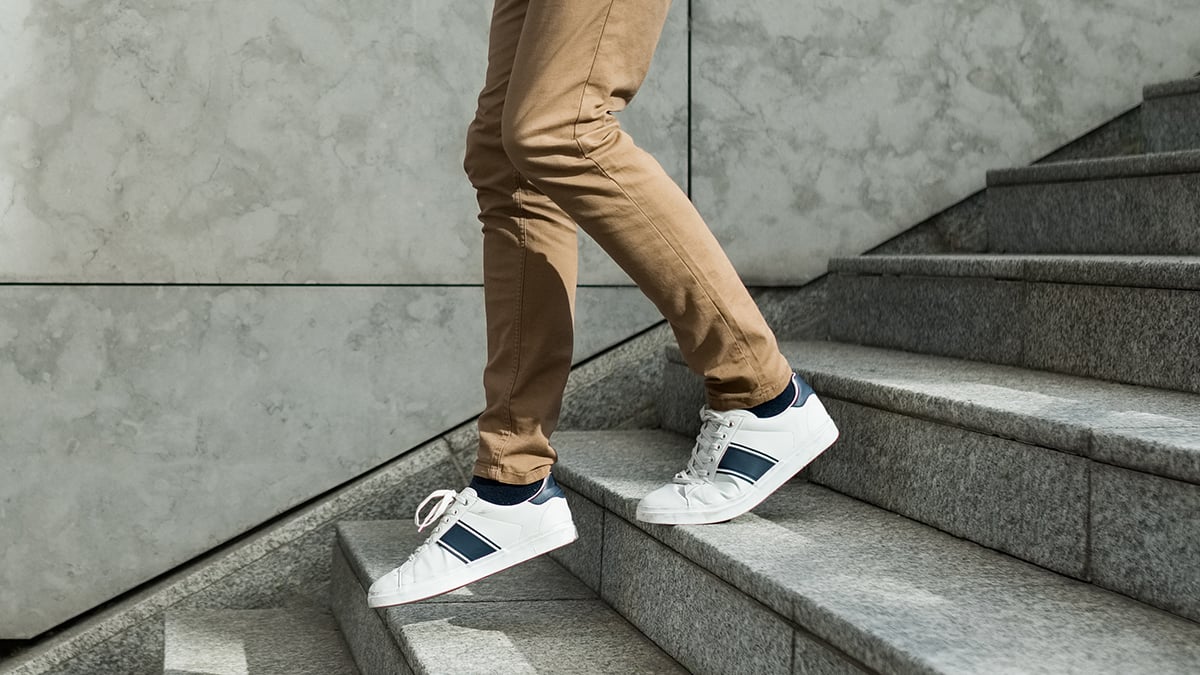
Exercising smarter rather than harder could lead to more effective muscle training, offering those of us short on time or energy an alternative way to maximize gains from workouts. That is the case made by sports scientist Ken Nosaka at Edith Cowan University in Australia, who argues that a technique called eccentric exercise deserves a greater role in everyday fitness. This type creates more force on a muscle while using less energy, he explains, based on a review of earlier studies (including his own previous research). Eccentric exercise focuses on the part of a movement where a muscle lengthens under load, usually by lowering something – such as a dumbbell to the ground, or yourself into a chair. It's a workout approach that can be "an ideal intervention for all individuals," Nosaka writes in his published opinion article. While eccentric exercise can be part of a gym routine, it actually requires no equipment. Walking down the stairs or squatting can be done at home, making it an accessible and effective option. "The idea that exercise must be exhausting or painful is holding people back," says Nosaka. "Instead, we should be focusing on eccentric exercises which can deliver stronger results with far less effort than traditional exercise – and you don't even need a gym!" Traditionally, eccentric exercises have been limited in workouts because they tend to make muscles particularly sore if you're not used to them. The technical term is delayed onset muscle soreness (DOMS), and it can quickly put people off this approach. Nosaka suggests that DOMS is triggered by muscle inflammation rather than solely by muscle fiber damage, and that it can be largely minimized by gradually increasing workout intensity and repeating the same exercises over time. In other words, it's not quite as damaging or as big a problem as people might think, which is something worth raising awareness of. Eccentric cycling, for instance, has been shown to be easier on the body than concentric cycling, although it does require more concentration. There's also plenty of evidence for the benefits of eccentric cycling, including improved muscle strength and power, balance, and cardiovascular health. "You can gain strength without feeling as exhausted," says Nosaka. "So, you get more benefit for less effort. That makes eccentric exercise appealing for a wide range of people." Eccentric exercise can work for older adults, people who spend a lot of time sitting down, and individuals with restrictive health conditions, Nosaka argues – sections of the population who traditionally struggle with standard exercises. There's no shortage of advice out there for making exercise routines more efficient, more effective, and more achievable, and we know the plethora of health benefits that come along with these routines. The running theme found in many studies is that exercise of any type or duration can make a difference. Nosaka points to one 2017 study involving 30 elderly and obese women, who were assigned a routine of regularly walking upstairs or downstairs for 12 weeks. Those on the downstairs plan – the eccentric exercise – ended up with bigger improvements in heart rate, blood pressure, and other markers of fitness. Nosaka is keen to see eccentric exercise become standard practice, and other experts are coming around to it as well. It's already widely used in muscle injury rehab programs, for example, but Nosaka suggests it's perfect for much more. We know that sticking to exercise routines can be challenging for many people, and eccentric exercises can be quick and easy, as well as producing better results. Due to the forces of gravity, even standing tall with good posture can count as an eccentric exercise. Related: Exercise Can Protect Your Joints – Here's What You Should Try "These movements mirror what we already do in daily life," says Nosaka. "That makes them practical, realistic, and easier to stick with." "When exercise feels achievable," he adds, "people keep doing it." The research has been published in the Journal of Sport and Health Science.